Tribal Broadband Project
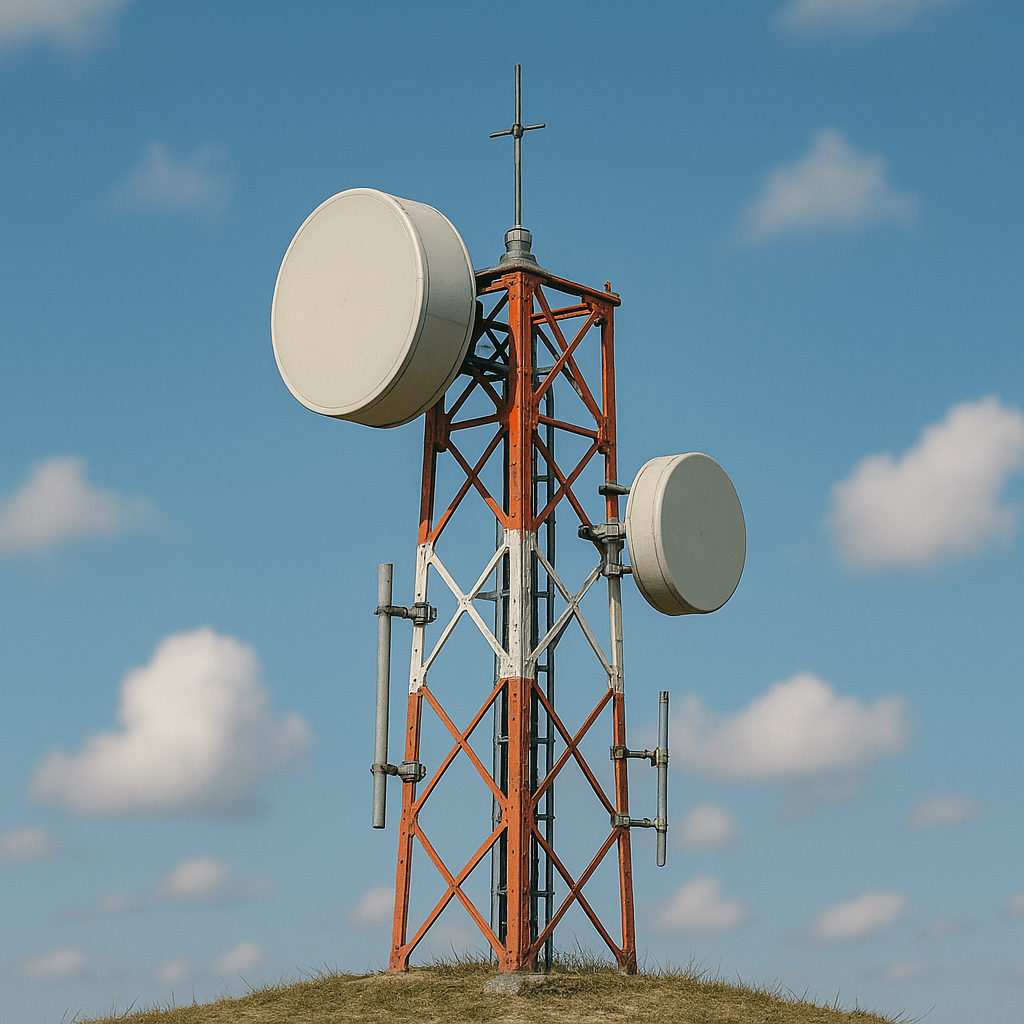
The images are for illustration only we are still in the planning stages on these projects.
Bridging the Digital Divide: The Timbisha Shoshone Tribal Broadband Project
In the heart of the Mojave Desert, where ancient land meets 21st-century technology, the Timbisha Shoshone Tribe is leading a groundbreaking effort to bring high-speed internet to one of the most isolated and underserved regions in California. The Timbisha Shoshone Tribal Broadband Project, which connects Death Valley Junction to Furnace Creek over Mount Ryan, is more than just a technological upgrade—it’s a bold step toward tribal self-determination, education access, economic opportunity, and cultural revitalization.
A Vision Born from Necessity
For years, the Timbisha Shoshone Tribe has contended with minimal broadband infrastructure, particularly at its homeland in Furnace Creek, located within Death Valley National Park. This digital isolation has affected nearly every aspect of daily life—from telehealth and remote education to Tribal administration and emergency response.
The COVID-19 pandemic further underscored the urgency of reliable internet access. With schools shifting online, medical consultations going virtual, and government services increasingly digital, the lack of broadband connectivity became a critical barrier for the Timbisha Shoshone community.
The Route: Over Mount Ryan
To overcome the geographic and regulatory challenges of building in Death Valley, the Tribe proposed a unique solution: constructing a broadband fiber route from Death Valley Junction, a small community near the Nevada border, to Furnace Creek, the Tribe’s ancestral homeland and current reservation land.
This route includes:
- Underground and aerial fiber installations
- Relay infrastructure on Mount Ryan, a prominent elevation in the Funeral Mountains that provides a clear line-of-sight for wireless transmission
- Coordination with the National Park Service, Bureau of Land Management (BLM), and other stakeholders to ensure environmental and cultural sensitivity during construction
Mount Ryan acts as a natural midpoint, allowing signal relay towers or microwave links to transmit high-speed data into the valley floor while minimizing visual and environmental disruption.
Project Goals and Impact
The core goals of the project align with the Tribe’s broader mission of sovereignty, sustainability, and self-sufficiency:
✅ Digital Equity for Tribal Members
The project will bring high-speed internet (100 Mbps or more) to homes and facilities in Furnace Creek, enabling access to telehealth, distance learning, workforce training, and digital services for Tribal citizens.
✅ Support for Tribal Governance
Tribal government offices will benefit from secure, reliable internet to manage records, communications, economic development, and intergovernmental coordination more efficiently.
✅ Emergency Communications Infrastructure
In a region prone to flash floods, extreme heat, and seismic activity, improved broadband ensures real-time emergency alerts, coordination with county services, and faster response times.
✅ Economic Development and Tourism
Reliable broadband supports Tribal businesses, including tourism ventures, artisan sales, and eco-tourism planning—all critical industries in and around Death Valley.
✅ Cultural Preservation and Education
High-speed internet opens the door to digital archiving of language, oral history, and ceremonies, as well as virtual storytelling and youth education programs that can connect elders with younger generations.
Funding and Partnerships
The project is being supported through a mix of federal broadband grants, including funding from the Tribal Broadband Connectivity Program (TBCP) administered by the National Telecommunications and Information Administration (NTIA). Technical and logistical partners include:
- Tribal IT and engineering teams
- Environmental consultants familiar with Death Valley’s sensitive ecosystem
- Legal advisors working through permitting with the Park Service and BLM
Challenges and Resilience
Laying broadband across Mount Ryan and through the harsh climate of Death Valley presents significant challenges:
- Extreme temperatures (often exceeding 120°F in summer)
- Remote terrain, requiring specialized construction techniques
- Cultural and environmental protections, ensuring minimal impact on sacred sites and desert ecosystems
But the Timbisha Shoshone people are no strangers to overcoming harsh conditions. Their endurance and ingenuity in this project reflect generations of adaptation and forward thinking.
Looking Ahead
The Timbisha Shoshone Tribal Broadband Project is scheduled to reach key milestones in 2025, with backbone infrastructure already underway. Once complete, this network will not only bridge the digital divide—it will help the Tribe strengthen its sovereignty, preserve its culture, and secure its future.
As Tribal Chairman and community leaders have emphasized:
“This isn’t just about fiber—it’s about the future of the Timbisha Shoshone people.”